-
Taps & Dies
-
Thread standards
- M - metric regular thread
- MF - metric fine thread
- G (BSP) - pipe thread
- UNC - American coarse thread
- UNF - American fine thread
- UNEF - amer. Extra fine thread
- UN - amer. with special pitch
- UNS - amer. with special pitch
- BSW - british coarse thread
- BSF - British fine thread
- Tr - trapezoidal thread
- Rd - knuckle thread
- NPT - amer. taper pipe thread
- NPTF - amer. taper pipe thread
- NPS - amer. cyl. pipe thread
- Rc (BSPT) - taper pipe thread
- Rp (BSPP) - cyl. pipe thread
- Vg - valve thread
- BA - brit. assn. Thread
- BSB - BSC - brit. std. thread
- W - taper gas cylinder valves
- Electrical and cable thread
- Bicycle and pedal thread
- Photo and C-Mount Thread
- Mini and nano threads (< 2mm)
- PG - steel conduit thread
- S - buttress thread
- RMS - microscope thread
- MJ, UNJC, UNJF - Aviation
- STI thread (thread inserts)
- Special thread
- Operating tools
- Lubricant
- Thread restoration tools
- Countersink
- Step drills
- Thread gauges
-
Thread standards
- BaerCoil/BaerFix
- Drill chucks
- Twist drill bits
Thread formers from BAER – Chip-free thread forming
BAER thread formers for the chip-free production of internal threads by cold forming. Thread forming produces a higher surface finish and greater strength in the threaded area than thread drilling, and is suitable for materials that are easily formable, such as steel, aluminium and brass.
Toolfinder
In stock
Express shipping available
In stock
Express shipping available
In stock
Express shipping available
In stock
Express shipping available
In stock
Express shipping available
In stock
Express shipping available
In stock
Express shipping available
In stock
Express shipping available
In stock
Express shipping available
In stock
Express shipping available
In stock
Express shipping available
In stock
Express shipping available
Thread formers – creating threads without chips
Thread cutting is not the only way to create a thread. Depending on the material used and the application, the appropriate tool may be a thread former, also known as a thread groover. This allows you to create particularly strong internal threads using a chip-free process. However, before you buy a thread former, you should familiarise yourself thoroughly with these tools. Because even though thread formers and taps or machine screw tap are similar, their use involves two completely different processes.
Thread
formers vs. taps – what are the differences?
At first glance, the way thread formers and taps work appears similar: the core hole is prepared, the tool is turned in, and the desired thread is left behind. But appearances can be deceiving, as at a molecular level these are two very different processes. Whilst thread cutting severs the fibres in the material, thread forming leaves them intact and merely compresses them. This ensures particularly high material strength and a smooth surface.
The two tools also differ visually. As this is a chip-free process, the thread former does not require a groove through which chips can escape from the bore. However, some models feature lubrication grooves to improve the distribution of lubricant. Furthermore, the profile of the thread former is polygonal rather than round. Incidentally, the finished threads also differ in appearance. At the tips of threads produced using a machine thread former, characteristic small forming pockets form.
How does a thread former work?
A thread former creates an internal thread by deforming the material rather than removing it. This process is also known as cold forming because it takes place below the material’s recrystallisation temperature. This is important because recrystallisation eliminates irregularities in a metal’s crystal lattice (also known as lattice defects), thereby reducing the material’s strength. Cold forming, on the other hand, has the opposite effect – it increases the material’s strength. And this is ultimately a decisive factor for the stability of a thread.
Before you can work with the thread former, you must drill a pilot hole. In the comparison for thread cutting, the dimensions of the hole are larger, as the material springs back slightly. This must be compensated for by a larger diameter. You can calculate this using the formula Dk = D - (0.5 x P) + 0.05, where Dk is the centre hole diameter, D is the thread diameter and P is the pitch. Alternatively, simply look up the correct value in a table. Please note, however, that these figures are intended as guidelines only. Depending on the material properties, the actual dimensions required may differ.
Once you have determined the correct diameter and pre-drilled the core hole diameter, the thread former is used. To create the thread, screw the thread former into the prepared core hole diameter. The pilot cone at the tip of the tool facilitates this process. The thread tips press into the material, which is thereby forced into the thread gaps. The thread is formed by this displacement and simultaneous compaction of the material. Caution: high frictional forces can arise here! You must therefore ensure adequate lubrication. Finally, set the machine to reverse rotation and unscrew the thread former from the finished thread.
When is a thread former used? Thread forming is the quickest way to produce internal threads
Due to the specific attributes of the process, the scope of application for thread formers is limited. Before purchasing a thread former, you should therefore consider whether it is the right tool for your intended purpose.
Firstly, you must consider the material you intend to work with. Cold forming is not possible with every material. Materials well suited to this include light metals, pure titanium, non-ferrous metals and steels up to approx. 1200 N/mm². Even at the maximum possible pitch, the material properties impose limits on the thread former; pitches of more than 3 mm are rarely achievable.
As the necessary torques cannot be achieved during manual use, thread formers are only available as machine tools. Consequently, the thread former is generally not a tool for DIY enthusiasts or businesses where thread production is not part of their day-to-day tasks. The process also requires some skill and experience, as the tolerance of the pilot hole diameter is very tight and re-cutting is not possible. Other methods are therefore recommended for those new to threading.
However, once the prerequisites are met, you can use a thread former to produce very stable threads of high strength, which also feature a particularly high surface quality. When used correctly, a machine thread former prevents the thread from being cut incorrectly and avoids errors in pitch or flank angle. Furthermore, you achieve a significantly higher cutting speed than with a tap.
The chip-free nature of the process also has advantages. Where no chips are produced, there are no problems with disposal or cleaning deep bores. The tool itself is also subjected to less stress due to the chip-free process, leading to long tool life and a lower risk of breakage.
Thread formers from the BAER range
In our online shop, you will find thread formers in many different thread standards. Thread formers without lubrication grooves are suitable for working with thin and/or soft materials that do not pose any particular challenges to the lubricating film. Thread formers with lubrication grooves, on the other hand, ensure a particularly even distribution of the lubricant and an unbroken lubricating film, and are used for greater thread depths.
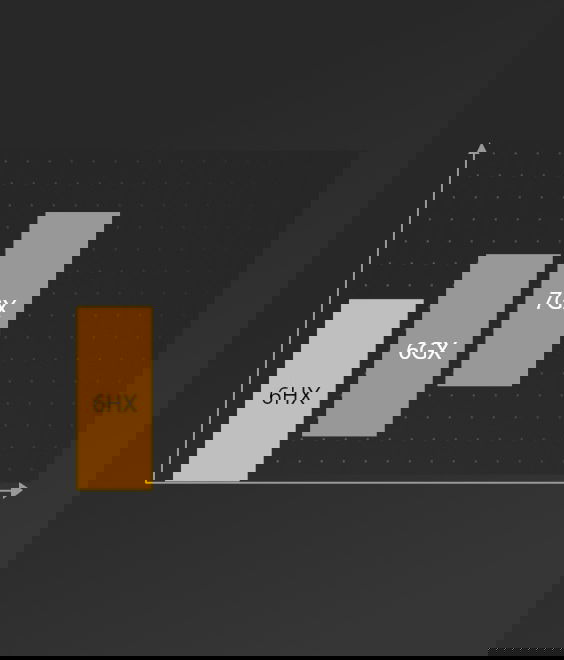
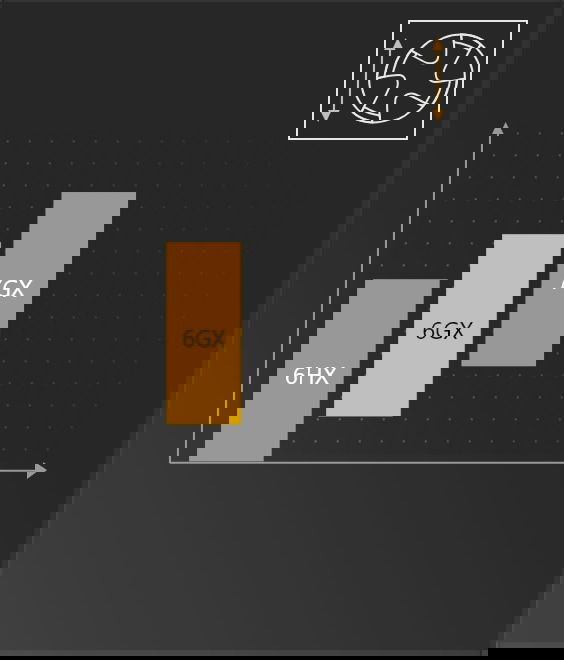
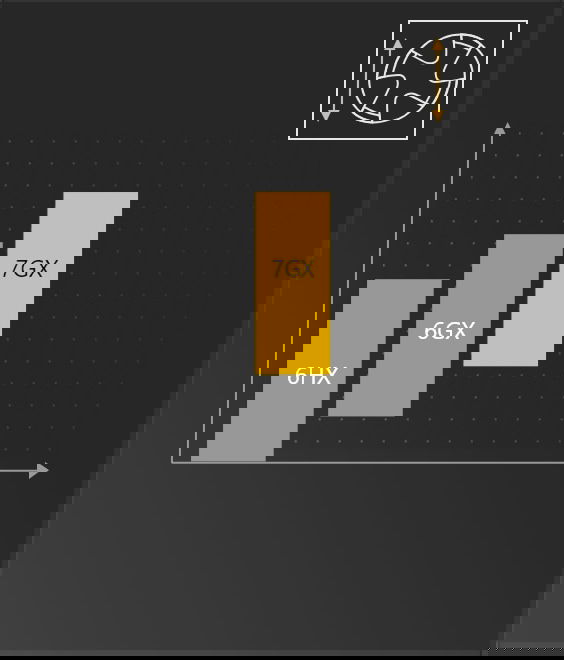
In addition to the standard 6HX, our range also includes thread formers in other tolerance classes. The 6GX tolerance class models are suitable for threaded connections with a high degree of play. And our 7GX tolerance class thread formers account for potential warping through heat treatment as a preventive measure. This ensures that your thread will indeed have the desired diameter at the end.
At BAER Tools, it is important to us to provide you with exactly the tool that best supports you in your work. This involves not only great care in manufacturing and in the selection of high-quality raw materials, but also comprehensive advice before and after your purchase. If you would like to buy a thread former but still have questions, please feel free to contact our customer service team at any time via our contact form. We are happy to help!
Do you have any questions? We have the answers!
You'll quickly find the right answers in our FAQ - take a look!